

How CC Electric Uses IntelliBid and SureCount to Streamline Electrical Estimating
For CC Electric’s Michael Chambers, the value of estimating software shows up in everyday work: adjusting an assembly when quantities need attention, moving through drawings with fixture assignments already in place, and bringing takeoff information into the estimate.
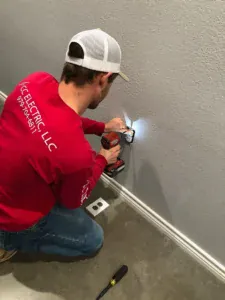
CC Electric serves Caldwell, Bryan, College Station, and surrounding Brazos Valley communities in Texas. The electrical contractor’s services include residential, commercial, and industrial work, along with EV charger installation. As Chief Electrical Estimator, Michael uses Conest software to support the company’s estimating process.
His workflow combines IntelliBid electrical estimating software with SureCount digital takeoff. He particularly values the ability to tailor assemblies while estimating and reuse prepared fixture assignments as he works through a drawing set.
For CC Electric, that combination supports a repeatable estimating process, with time savings that Michael sees most clearly once the project’s takeoff items are built and ready to use.
Electrical Estimating and Digital Takeoff
Connect Your Takeoff to Your Estimate
Explore how IntelliBid and SureCount can support your team’s electrical estimating workflow.
CC Electric: At a Glance
Customer Snapshot
CC Electric
- Industry
- Electrical contracting
- Service Area
- Caldwell, Bryan, College Station, and the Brazos Valley, Texas
- Interviewee
- Michael Chambers, Chief Electrical Estimator
- Conest Products
- IntelliBid and SureCount
- Estimating Team
- Michael and two other estimators
- Challenge
- Manage assembly adjustments and numerous fixture types while helping estimators learn a repeatable workflow.
- Approach
- Customize assemblies, reuse fixture assignments across drawings, and transfer takeoff into IntelliBid.
- Benefits
- Time savings after initial setup, flexibility during estimating, and practical support for team learning.
The Challenge: Managing the Details Behind Electrical Takeoff
Michael’s description of estimating centers on the preparation that makes the rest of a job run more smoothly. Some projects contain many different fixture types, each requiring an appropriate takeoff assignment. Getting those items built takes effort, but it creates the foundation for working through the drawings efficiently.
Assemblies need attention, too. Michael described situations where an assembly requires an adjustment because the quantities are not coming out as expected. He wants to make the correction while he is working on the estimate and continue with the takeoff.
There is also a team dimension. Michael works alongside two other estimators, so the process needs to be something colleagues can learn and follow. Familiarity with the libraries and a clear sequence of work help turn individual software knowledge into an approach the team can use.
CC Electric’s workflow brings those needs together: control over assembly detail, reusable takeoff setup, and guidance that helps estimators get started.
Why IntelliBid Is Michael’s Go-To Estimating Program
Michael’s preference for Conest comes from hands-on experience with both Accubid and Conest. When asked what makes Conest his preferred estimating choice, he returned to one feature in particular: the ability to adjust assemblies as he works.
Making Assembly Adjustments During Estimating
For Michael, an assembly is something he actively works with. If a count is not coming out correctly, he wants to examine the assembly and make the necessary adjustment. He singled out being able to do that “on the fly” as a primary reason for his preference.
In comparing the systems he has used, Michael explained that he found the process of changing assemblies more convenient in Conest. His preference reflects the way he estimates and the importance he places on being able to make those adjustments during his work.
That flexibility gives an experienced estimator room to apply judgment at the assembly level, where the quantities behind the estimate are being developed.
Working Confidently With Formulas and Assemblies
Michael has developed a strong familiarity with Conest’s formulas and assemblies. When the conversation turned to standout features, assemblies were again the first capability he identified.
That familiarity matters because his estimating process includes reviewing and adjusting how an assembly behaves. IntelliBid supports the kind of detailed involvement he wants to have in the estimate, with assemblies he can tailor as the work requires.
What Drives Michael’s Preference?
The ability to adjust assemblies while estimating is central to why Michael prefers Conest. It fits the way he reviews quantities and works through the details of an electrical estimate.
From Fixture Assignments to IntelliBid Takeoff
Michael’s clearest example of time savings involves the connection between SureCount and IntelliBid.
He described building the libraries and takeoff items needed for a project, assigning a fixture to each type, and then using those assignments as he moves through the drawings. Once a fixture type is assigned, he can go to another drawing, select the phase, and work with the assignment already available.
From there, he selects the items, completes the takeoff, and imports the information into IntelliBid. That connection is one of the features he values most.
It definitely saves a lot of time once you get them all built.
Michael ChambersCC Electric
The initial preparation is especially important on jobs with a long list of fixture types. Michael described getting those items built as the hard part. Once that work is done, the team can use the prepared assignments across the drawings instead of repeating the same setup for each sheet.
The benefit comes from making that preparation reusable and connecting the resulting takeoff to the estimate.
- Prepare the Takeoff ItemsBuild the library and takeoff items needed for the project.
- Assign the Fixture TypesEstablish the fixture assignments used during takeoff.
- Reuse the Setup Across DrawingsSelect the relevant phase on another drawing and use the existing assignments.
- Bring the Takeoff Into IntelliBidSelect and take off the items, then import the information into the estimate.
How could connected digital takeoff fit your estimating process?
Helping Estimators Learn a Repeatable Process
CC Electric uses a server-based setup that allows Michael and two other estimators to work at the same time. Alongside that software setup, Michael has developed a practical tool of his own: a workflow sheet to help colleagues get established in the estimating process.
The guide gives newer users a starting point. Michael explained that becoming familiar with the libraries is an important part of their progress. Once they know where the libraries are and how to follow the workflow, he has seen them become more comfortable using the software.
His approach combines everyday guidance with hands-on use. The workflow sheet helps colleagues follow the process, while working in the libraries gives them experience with the estimating tools they will use on subsequent jobs.
At CC Electric, the software is part of a broader approach to onboarding: give estimators a clear workflow, help them learn the available libraries, and build familiarity through use.
Useful Learning Resources and Dependable Support
Michael also uses Conest’s instructional videos as a learning resource. He finds videos with enough time to explain a process helpful, particularly when someone is getting familiar with a task.
Those resources complement the guidance he provides within CC Electric. A workflow sheet can establish the sequence of work, while a focused video can help explain a particular part of the software.
When he needs assistance, Michael speaks positively about his experience with Conest support. He described getting help by phone and email and emphasized the team’s availability when he has needed them.
That’s been great. They’re always there when I need them.
Michael ChambersCC Electric, on Conest support
For Michael, that support relationship is another valuable part of working with Conest. He knows the support team and has worked with them over time, giving him a familiar resource when questions arise.
The Results: Flexibility, Reusable Setup, and Time Saved During Takeoff
Michael’s experience at CC Electric highlights several practical benefits of using IntelliBid and SureCount together:
- Assembly flexibility: He can adjust assemblies during estimating when the quantities need attention.
- Reusable fixture assignments: Prepared assignments remain useful as he moves to other drawings and selects the relevant phase.
- Connected takeoff: His SureCount workflow brings takeoff information into IntelliBid.
- Time savings after setup: Michael describes the prepared libraries and fixture assignments as a significant help once the initial work is complete.
- A practical learning process: His workflow sheet, library familiarity, and instructional videos help colleagues learn the software.
- A trusted support resource: He values being able to reach a familiar Conest support team when needed.
The time savings Michael described are qualitative; he did not provide a measured number of hours or a percentage. His examples show where he sees the value: in the recurring work of preparing takeoff items, using them across drawings, and making adjustments within the estimate.
CC Electric Case Study: Frequently Asked Questions
CC Electric provides residential, commercial, and industrial electrical services, along with EV charger installation. The company serves Caldwell, Bryan, College Station, and surrounding Brazos Valley communities in Texas.
Michael Chambers and CC Electric’s estimating team use IntelliBid for electrical estimating and SureCount for digital takeoff. Michael described a workflow that brings prepared takeoff information from SureCount into IntelliBid.
Having used both Accubid and Conest, Michael identifies the ability to adjust assemblies while estimating as a primary reason for his preference. He values being able to make an adjustment when an assembly’s quantities are not coming out as expected.
Michael prepares takeoff items and assigns a fixture to each type. When he moves to another drawing and selects the relevant phase, the assignment is already available. He can then complete the takeoff and import the information into IntelliBid.
Michael created a workflow sheet to help colleagues get started. He emphasizes learning where the libraries are and becoming familiar with the process through use. He also finds Conest’s instructional videos helpful as learning resources.
Michael said the workflow saves a lot of time once the libraries and takeoff items are built, particularly on jobs with many fixture types. He did not provide a measured percentage or number of hours saved.
Michael describes Conest support positively and values being able to get assistance by phone and email. He has worked with the support team over time and considers them a familiar resource when he needs help.
Build a More Connected Estimating Workflow
CC Electric’s experience shows how assembly flexibility and connected digital takeoff can support the daily work of electrical estimating. For Michael, the value lies in being able to prepare the work, reuse that preparation across drawings, and adjust the estimate as needed.
Explore how IntelliBid and SureCount can fit your team’s estimating process.
See IntelliBid and SureCount in Action
Explore electrical estimating and digital takeoff tools built to work together.
Get to Know CC Electric
Learn more about the company’s electrical services and work in the Brazos Valley.